Silt Curtains & Turbidity Barriers
Industrial & Agricultural Netting · OEM, wholesale & custom manufacturing — Weihai, China
 Industrial & Agricultural Netting
Silt Curtains & Turbidity Barriers — Manufacturer & OEM Supplier
Also known as turbidity curtains · silt curtains · turbidity barriers · silt booms · floating silt barriers
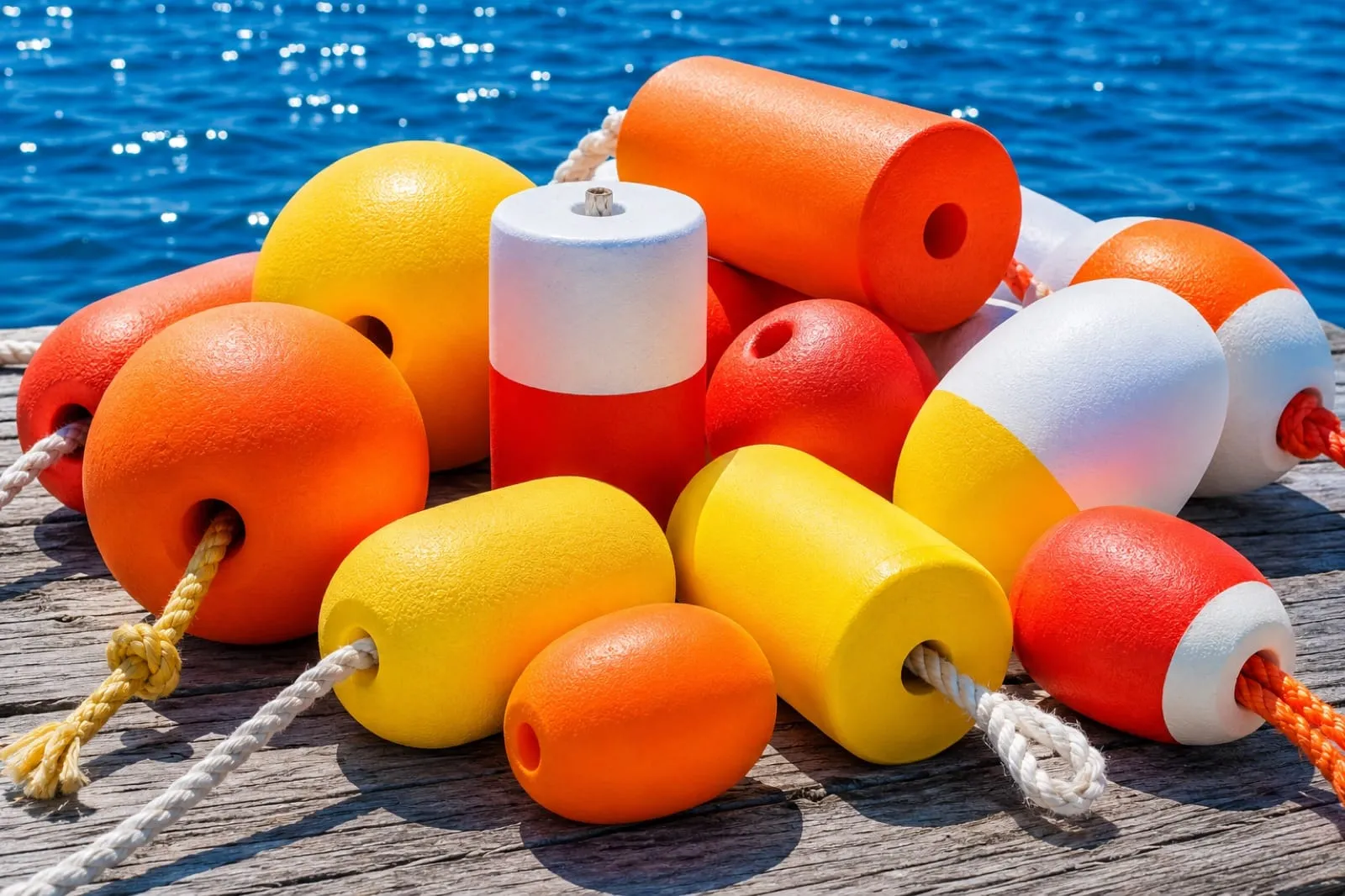
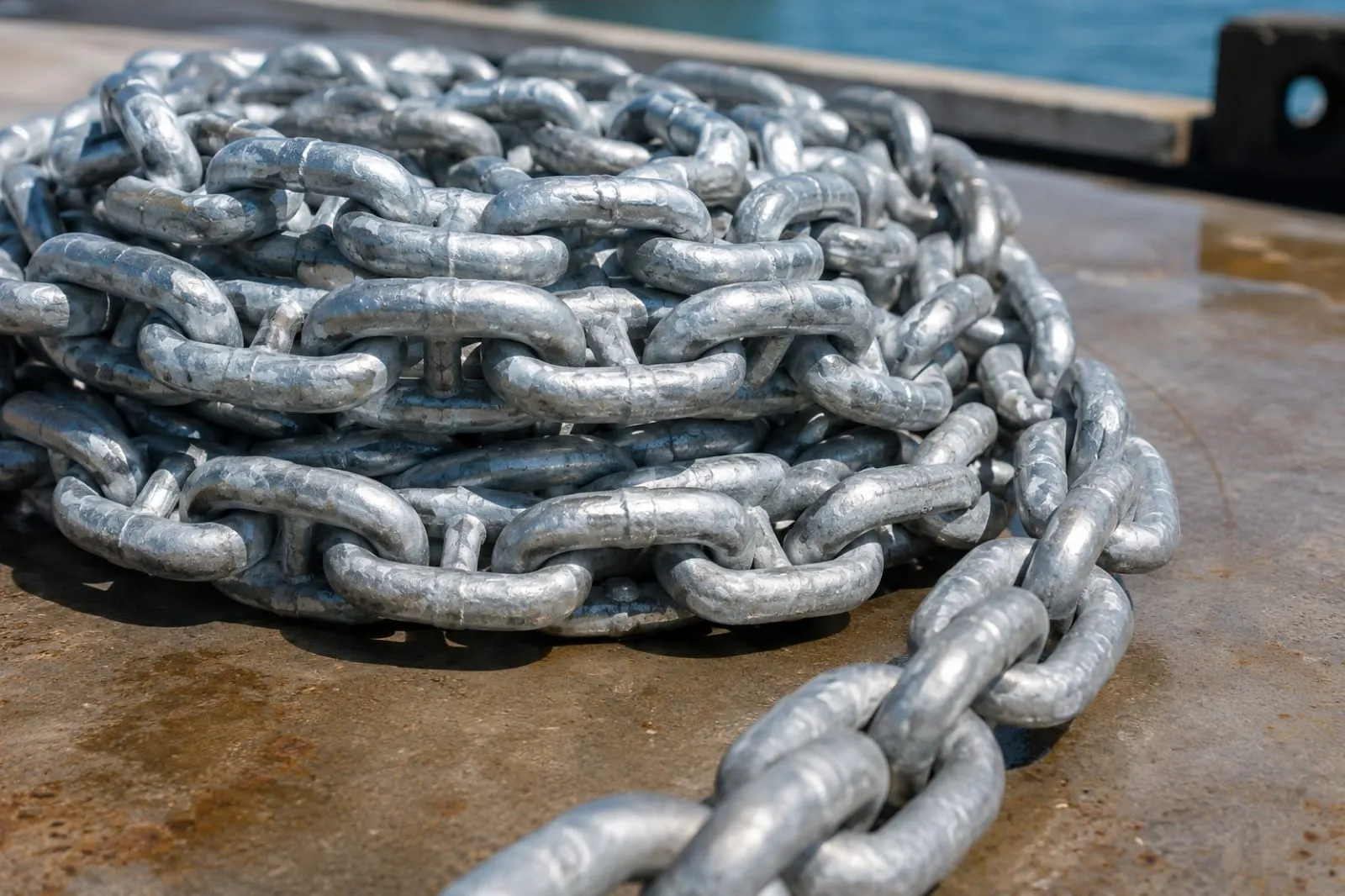
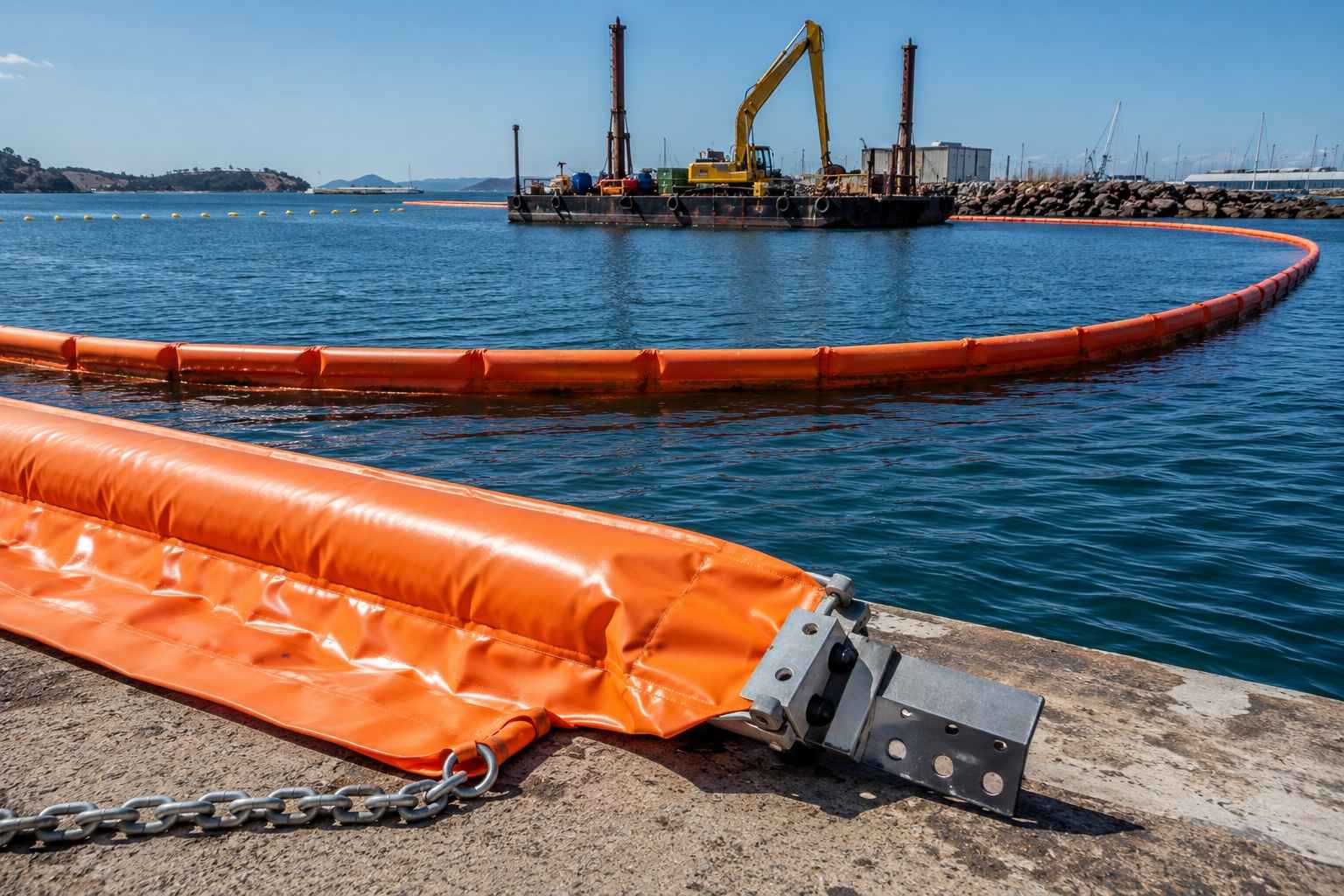
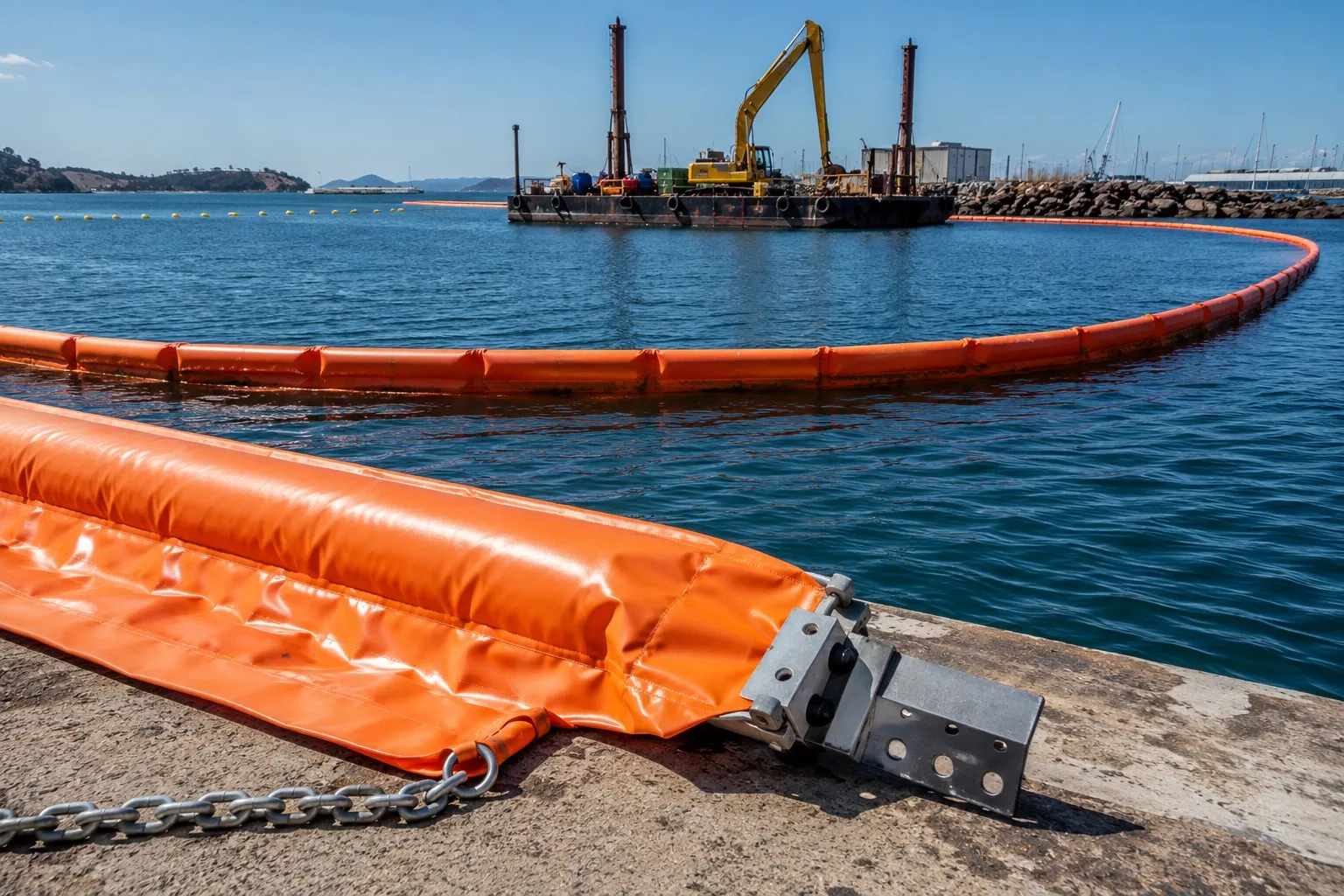
Everwin Sports manufactures floating silt curtains and turbidity barriers that contain suspended sediment on dredging, marine construction, and shoreline-restoration sites — a buoyant top boom, an impermeable PVC-coated polyester skirt that hangs to depth, a ballast chain along the hem, and a load-bearing tension cable that carries current loads between anchor points. Skirt fabric is UV-stabilized and abrasion-resistant for continuous immersion, RF-welded at the seams, and supplied in Type 1 (calm), Type 2 (moving), and Type 3 (high-flow) configurations. Sections join with heat-sealed lap seams or connector fittings into a continuous run, and the curtain ships with flotation, ballast, cable, and end connectors as a complete deployable kit. We size skirt depth, flotation, and ballast to the site's water depth, current, and turbidity rules. The same coated-fabric and rigging lines that build our marine floats and cargo nets fabricate the barrier.
Available factory-direct from our Weihai, China facility for wholesale, private-label and custom OEM production — alternate materials, sizes and branding, typically from 500 units, for buyers across major export markets.
Request a QuoteFeatures
Specifications
MOQ, Lead Time & Terms
Terms are confirmed per order on the quotation. See the ordering FAQ, the OEM & private-label program and export logistics.
Every silt curtains & turbidity barriers order is built under our quality & manufacturing process and backed by our standards & compliance documentation. See the full specification catalog or explore our industrial & agricultural netting range.
Common questions
What barrier types and skirt depths are available, and where are they used?
We build Type 1 curtains for calm, no-current water, Type 2 for moving water and light current, and Type 3 for high-flow and tidal sites, with skirt depth made to your water column — from shallow shoreline runs to full-depth barriers. They suit dredging, marine and bridge construction, outfalls, and shoreline restoration — any work that must keep suspended sediment inside a zone. Tell us the site depth, current, and the turbidity limit you must hold and we will configure the barrier.
What is the curtain made of, and how does it hold up in the water?
The skirt is UV-stabilized, abrasion-resistant PVC-coated polyester, RF-welded at the seams, hung from a closed-cell foam flotation boom and weighted by a galvanized ballast chain along the hem. An internal galvanized or stainless tension cable carries current and wind loads between anchor points so the fabric is not stressed. The coated fabric and corrosion-resistant hardware are selected for continuous immersion and repeated redeployment.
How do you size flotation, skirt depth, and ballast to a site?
Skirt depth is set to the water column and how far down sediment must be contained, flotation is balanced to keep the boom riding through wind and wave, and ballast and tension-cable sizing follow the current — stronger flow needs more ballast and a heavier cable to hold the skirt vertical. Over-deep skirts in current can billow or drag the anchors, so the build is matched to the site. Share your depth, current, and anchoring and we will specify it.
Can the barriers be customized or produced under OEM or private label?
Yes — skirt depth and fabric weight, flotation size, ballast and cable rating, section length, connector type, and color are all configurable, and we run OEM and private-label programs with branded fabric and packaging. First runs are sampled for seam strength and flotation before the full batch. Send your site spec or a sample and we will quote and match it.
What is the minimum order quantity?
Curtains ship in panel sections that join into a continuous run, palletized or baled, and consolidate toward container volume by length. Custom or private-label runs typically start around 500 units or an agreed total length, while large project barriers are quoted per job given fabric and freight. We confirm the minimum once the configuration is set.
What is the production lead time?
Standard sections run about 30–45 days after deposit. A first-time custom or branded run takes roughly 45–60 days including sampling, with repeats back to 30–45 days. Fabric welding, flotation, ballast, and cable assembly are scheduled inside that window.