Aquaculture Cages & Grow-Out Gear
Fishing · OEM, wholesale & custom manufacturing — Weihai, China
 Fishing
 Aquaculture Cages & Grow-Out Gear — Manufacturer & OEM Supplier
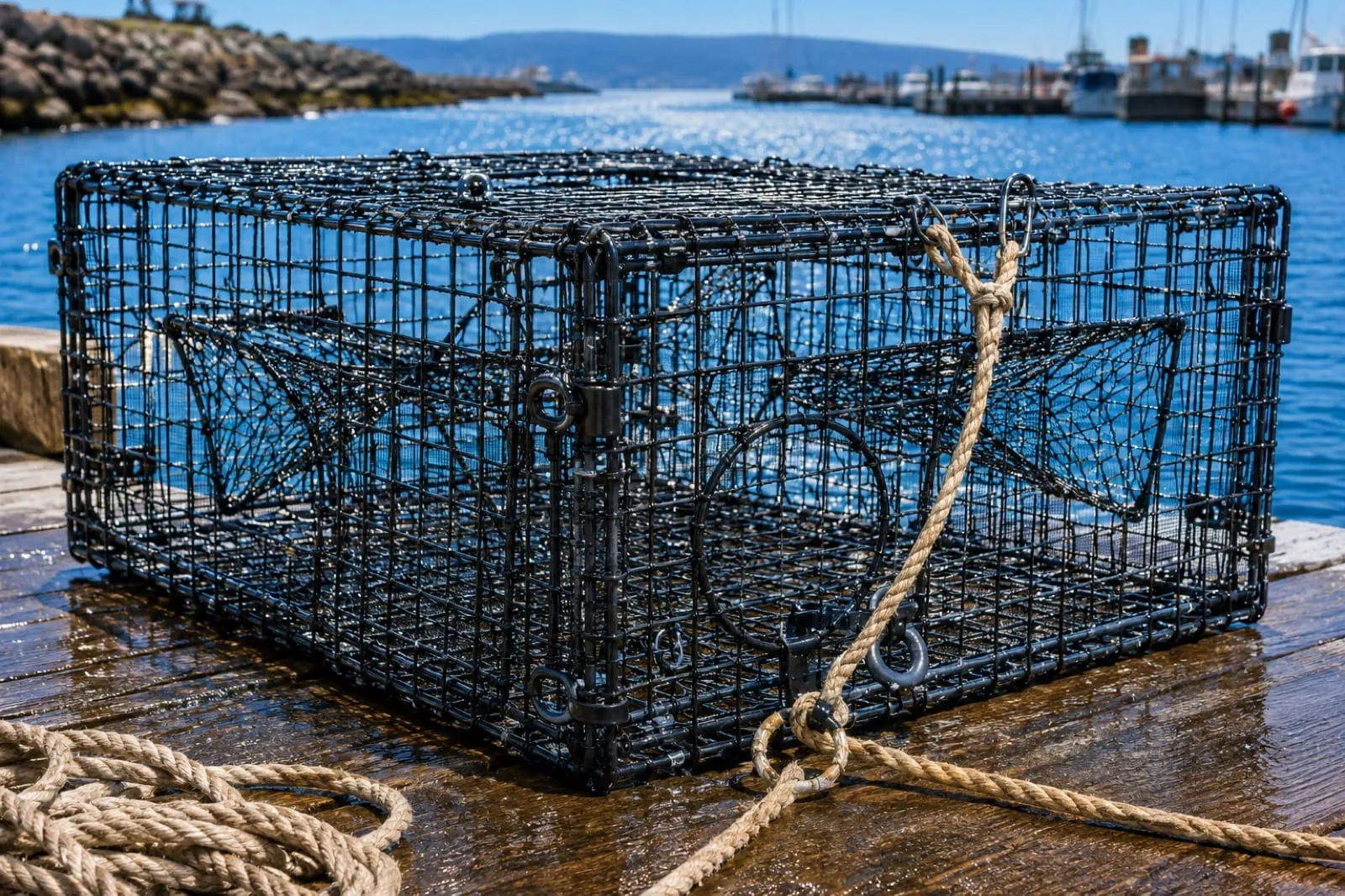
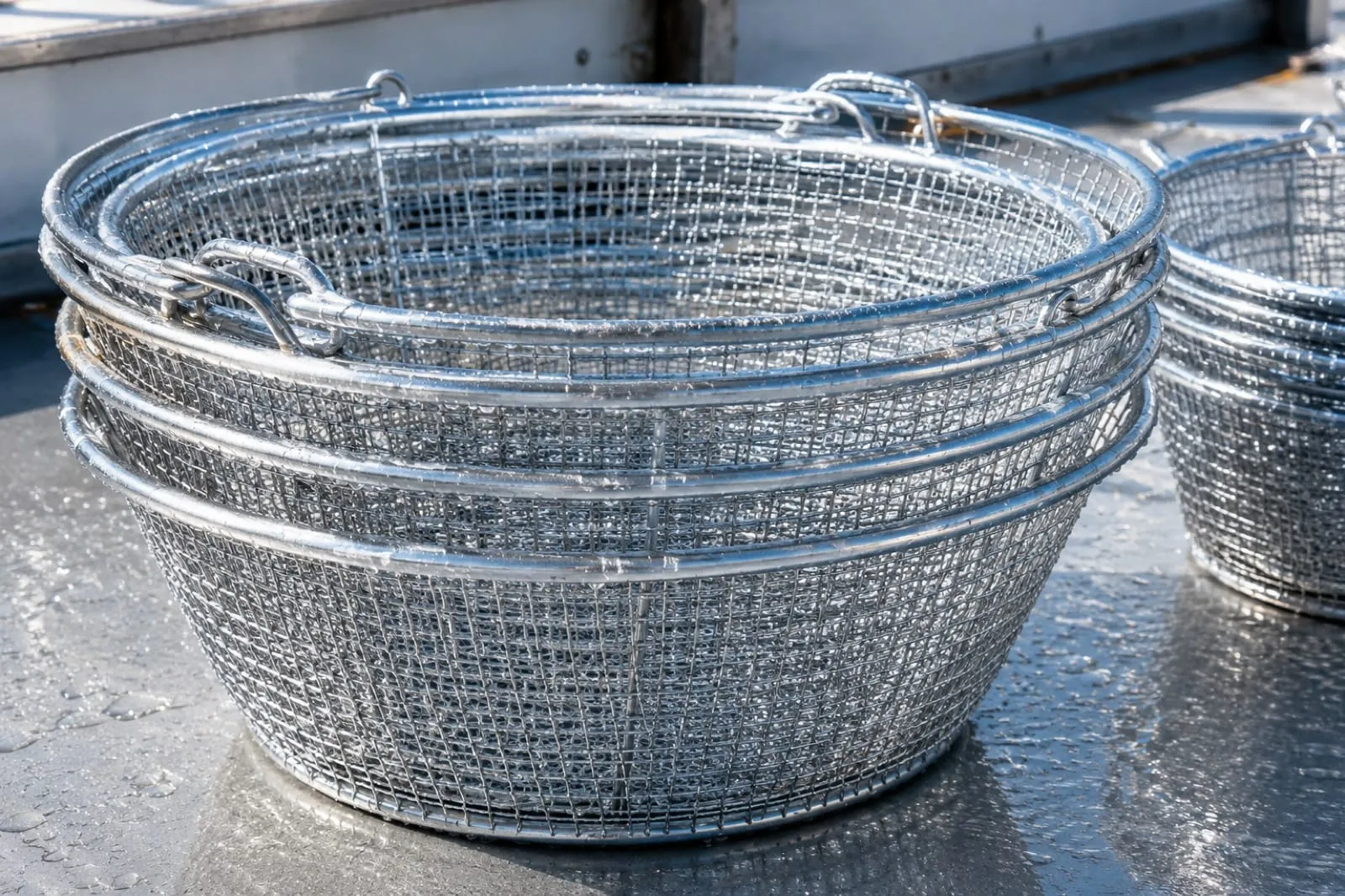
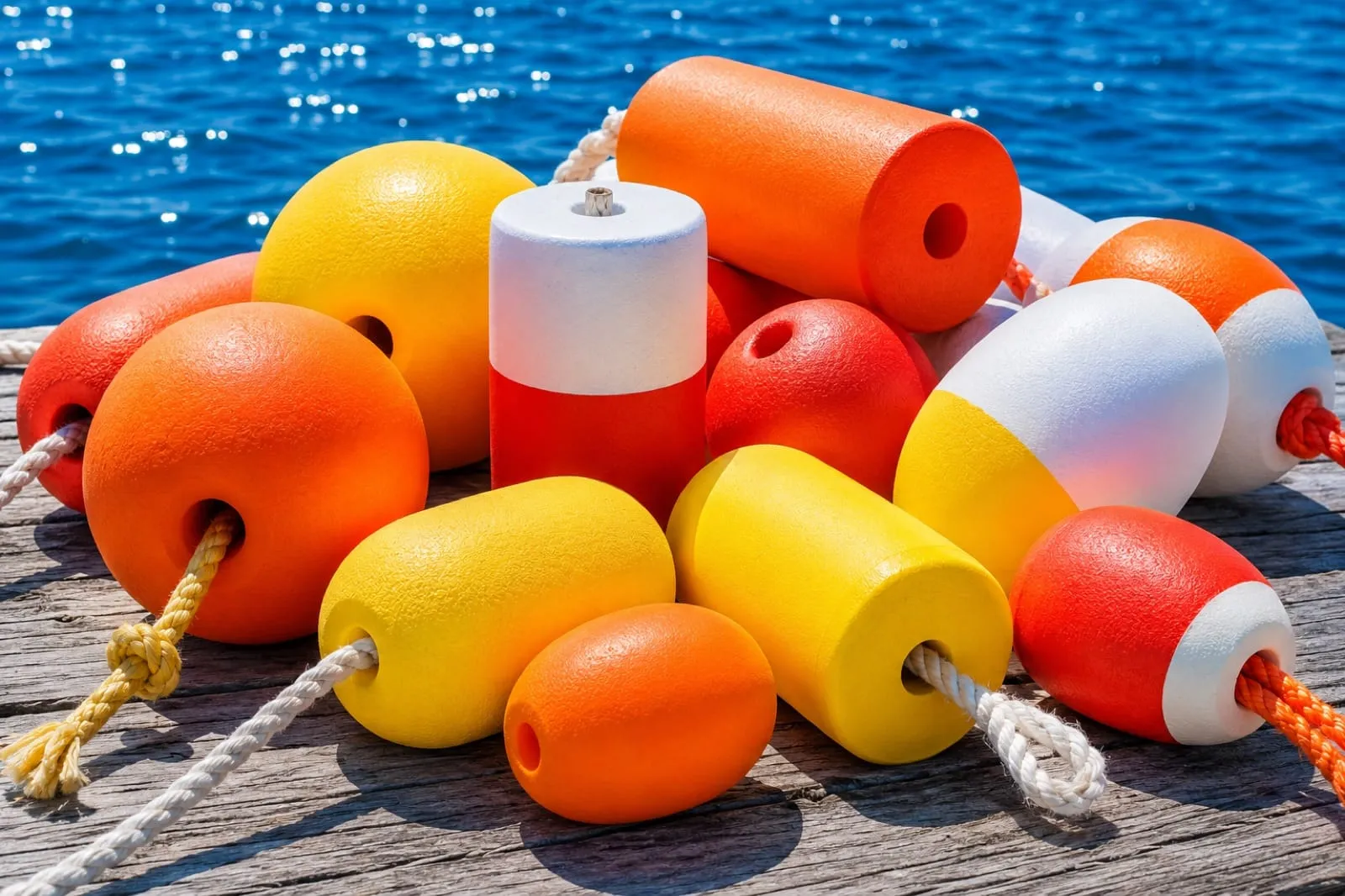
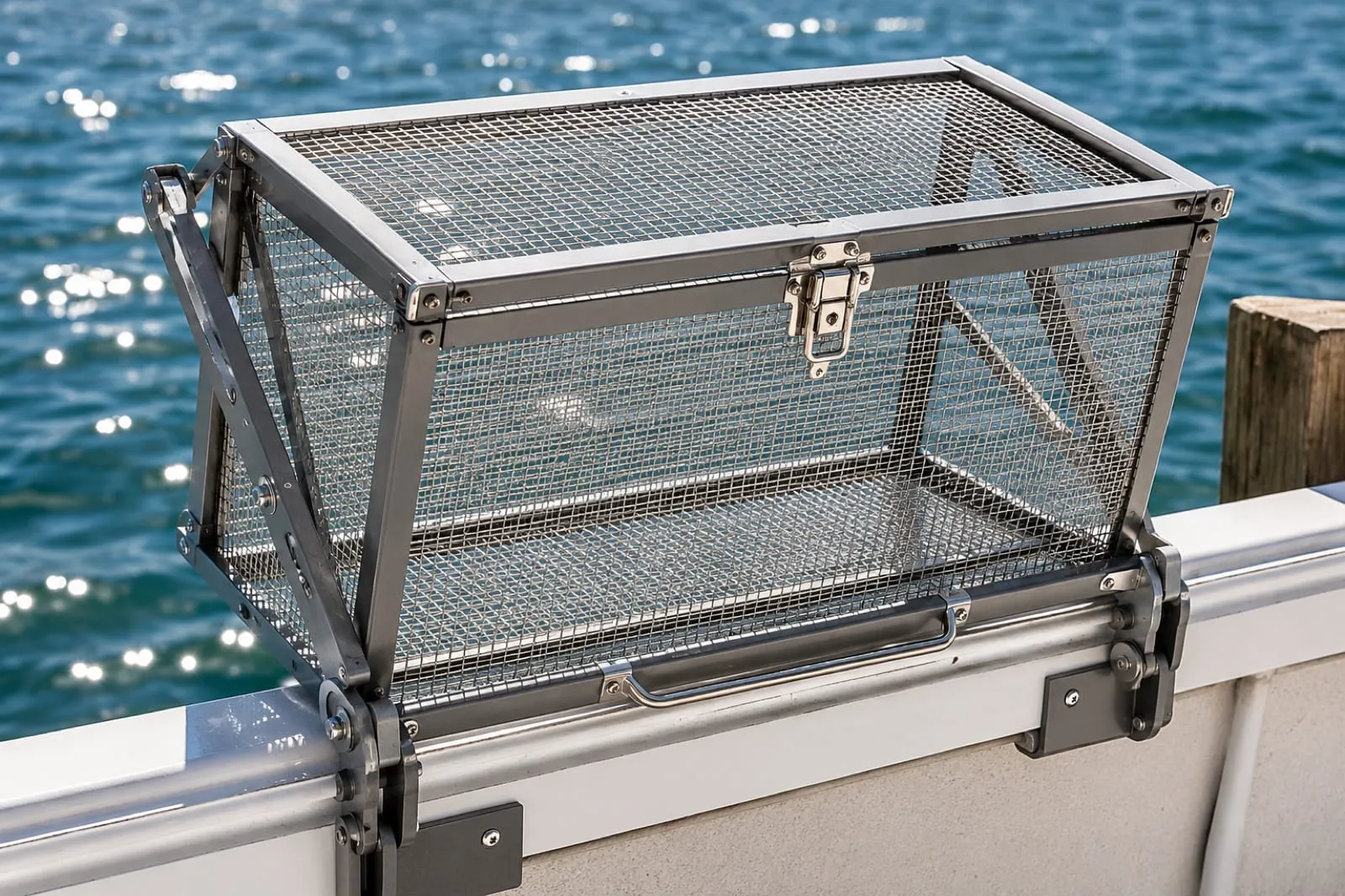
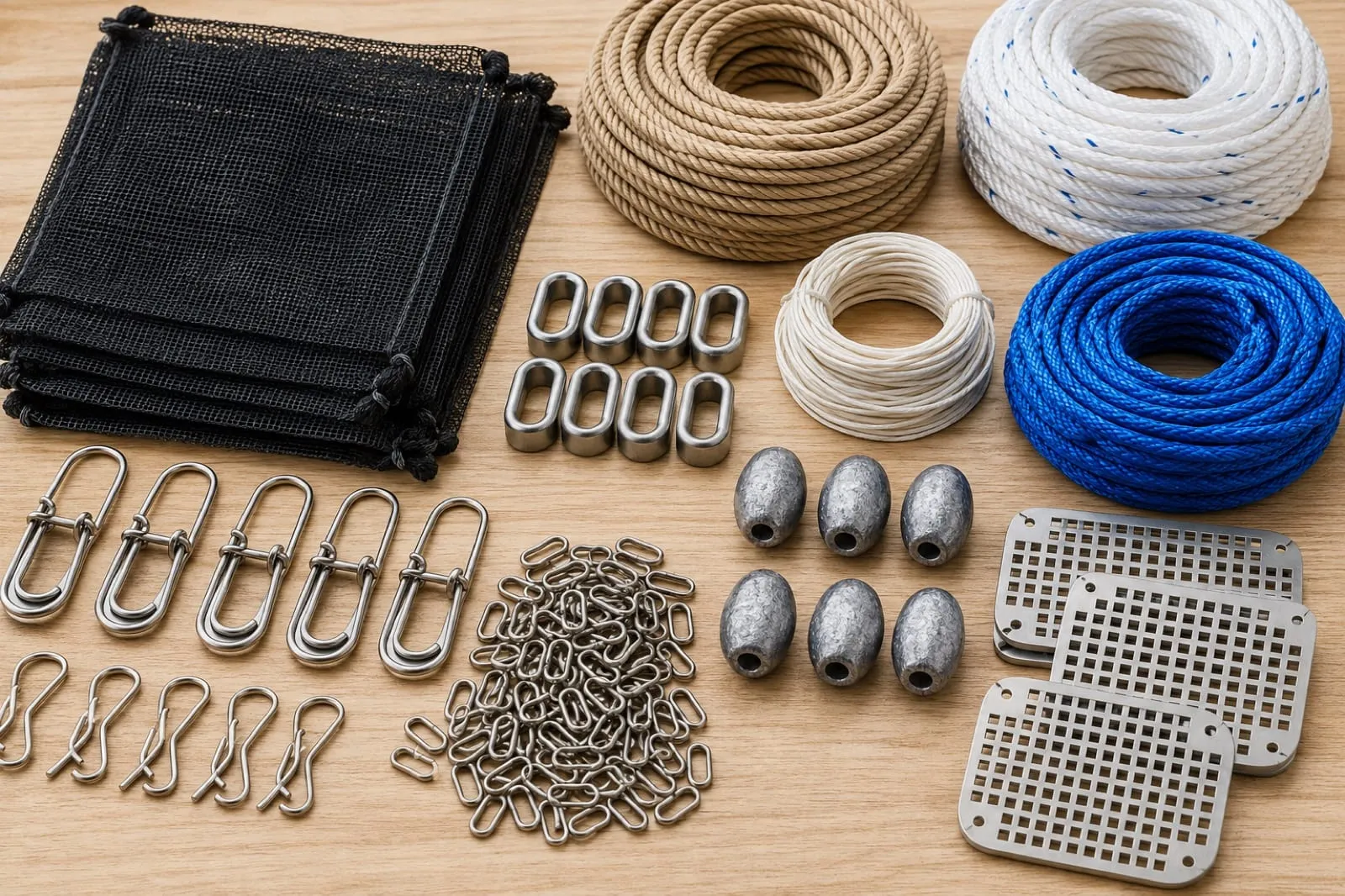
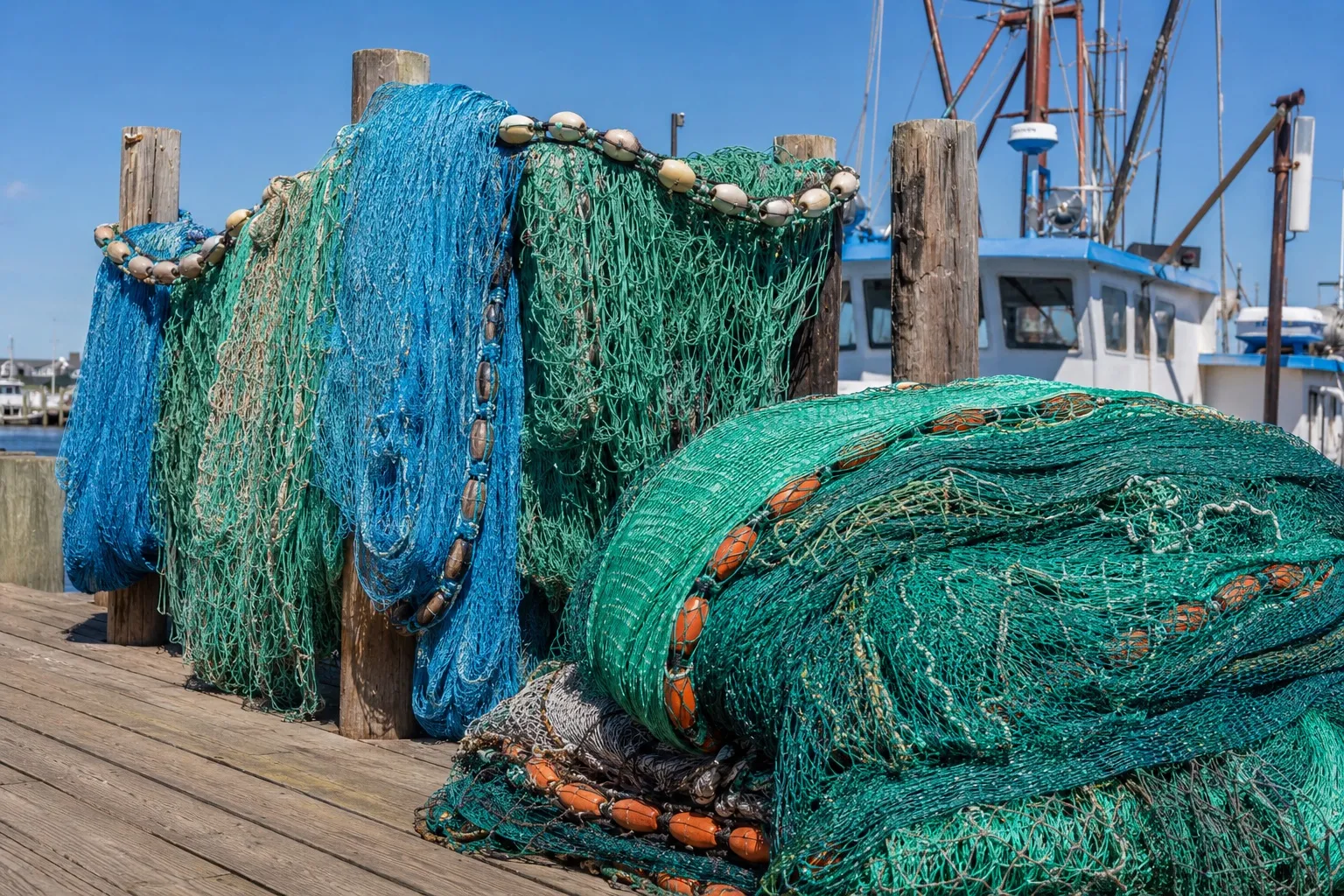
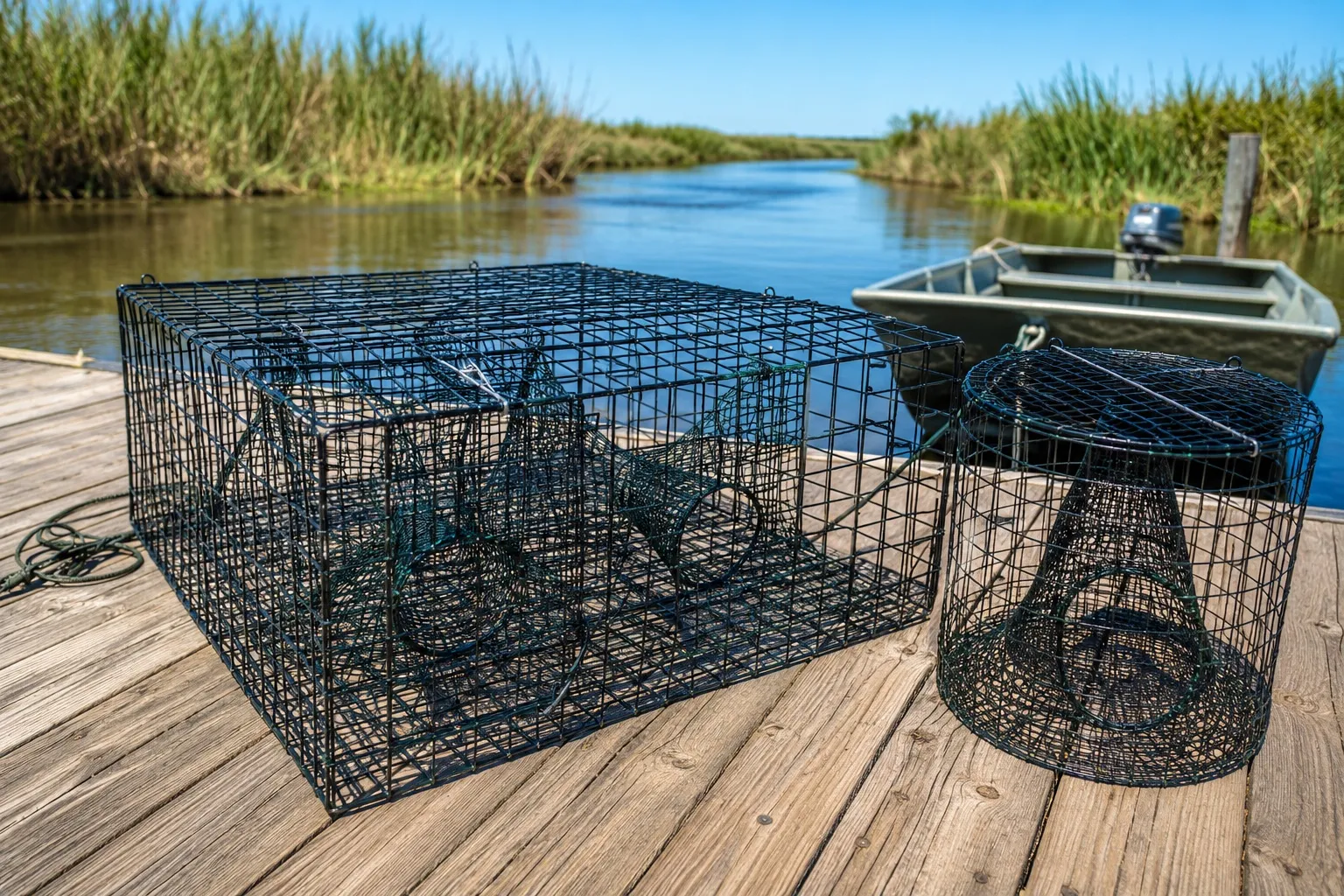
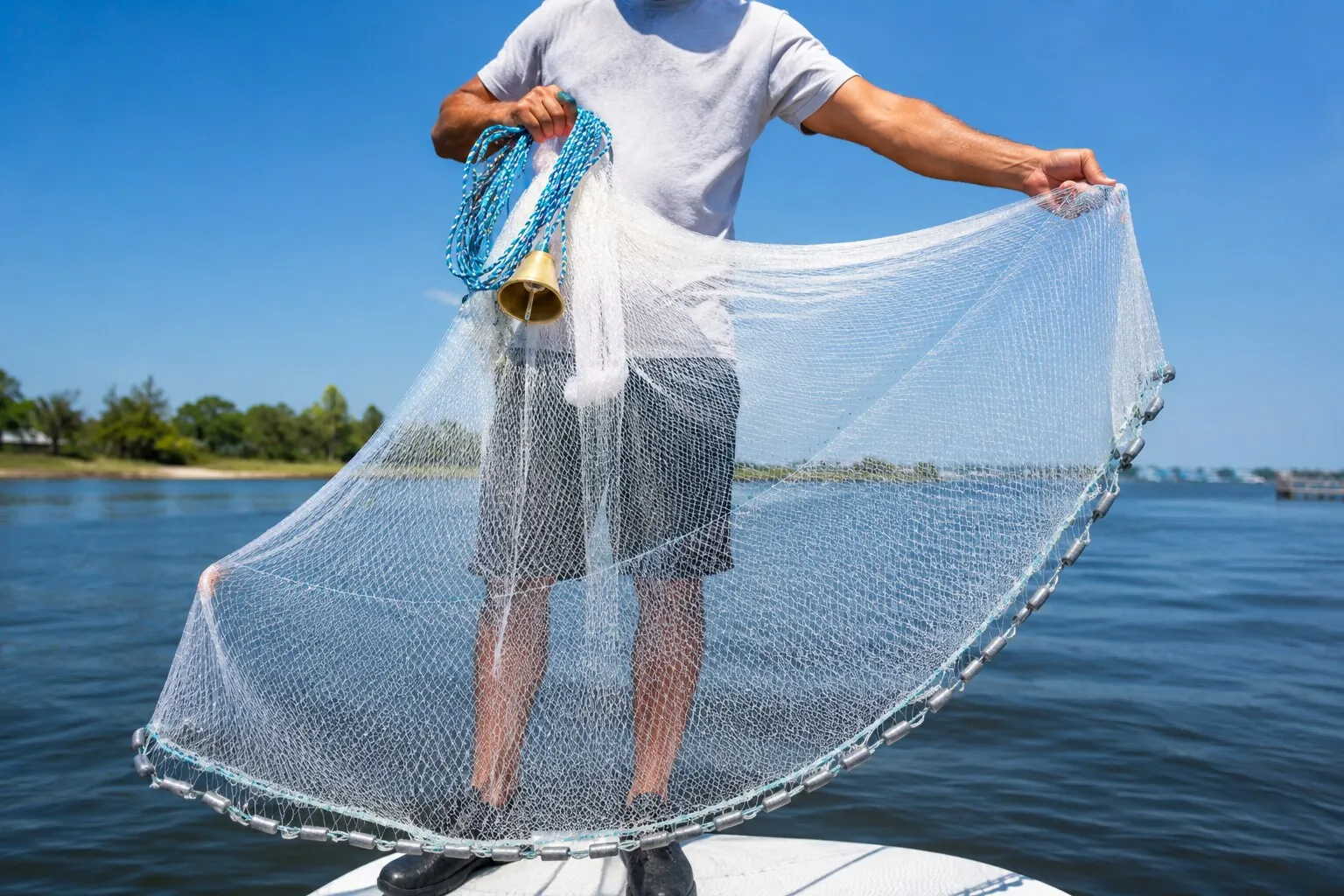
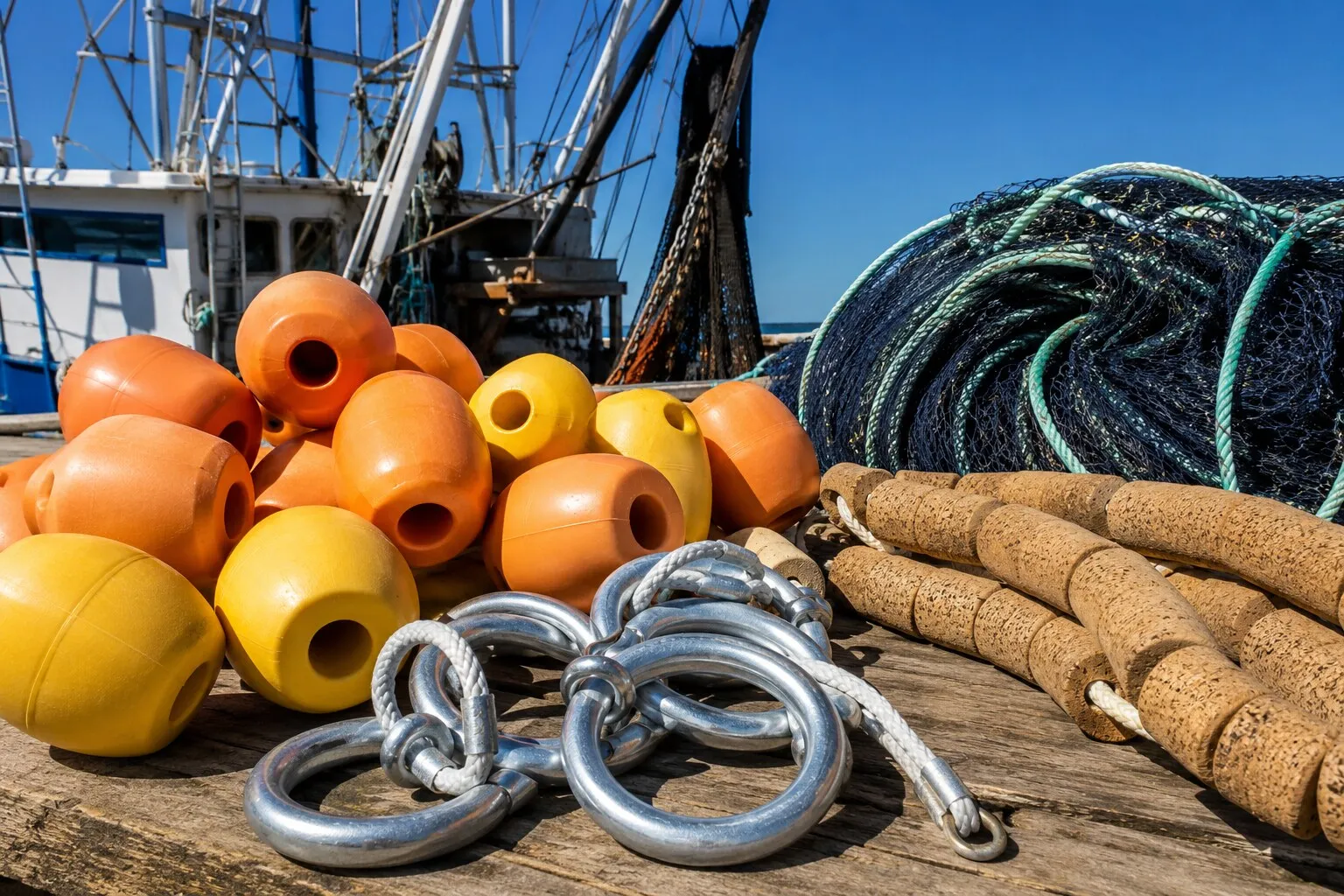
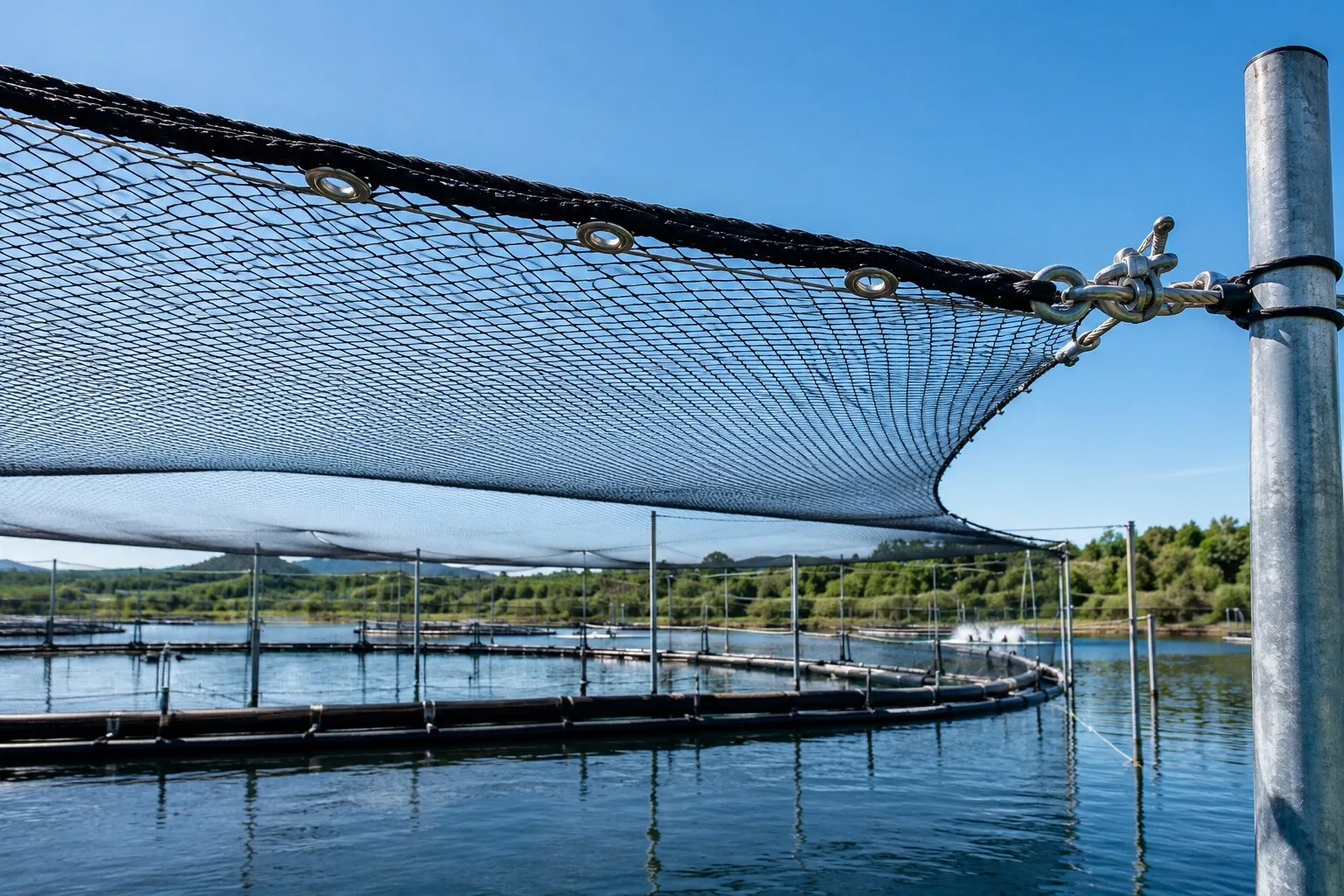
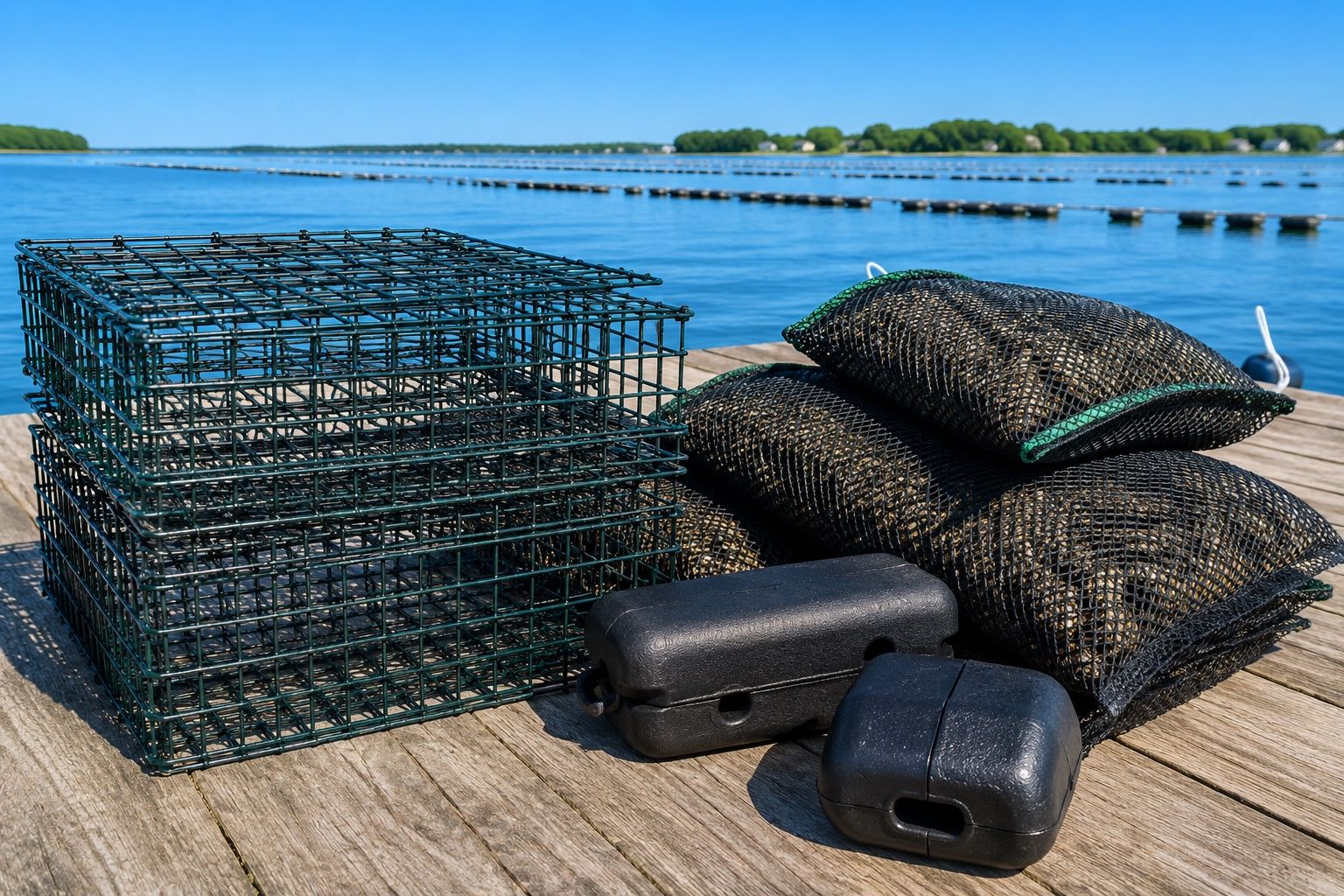
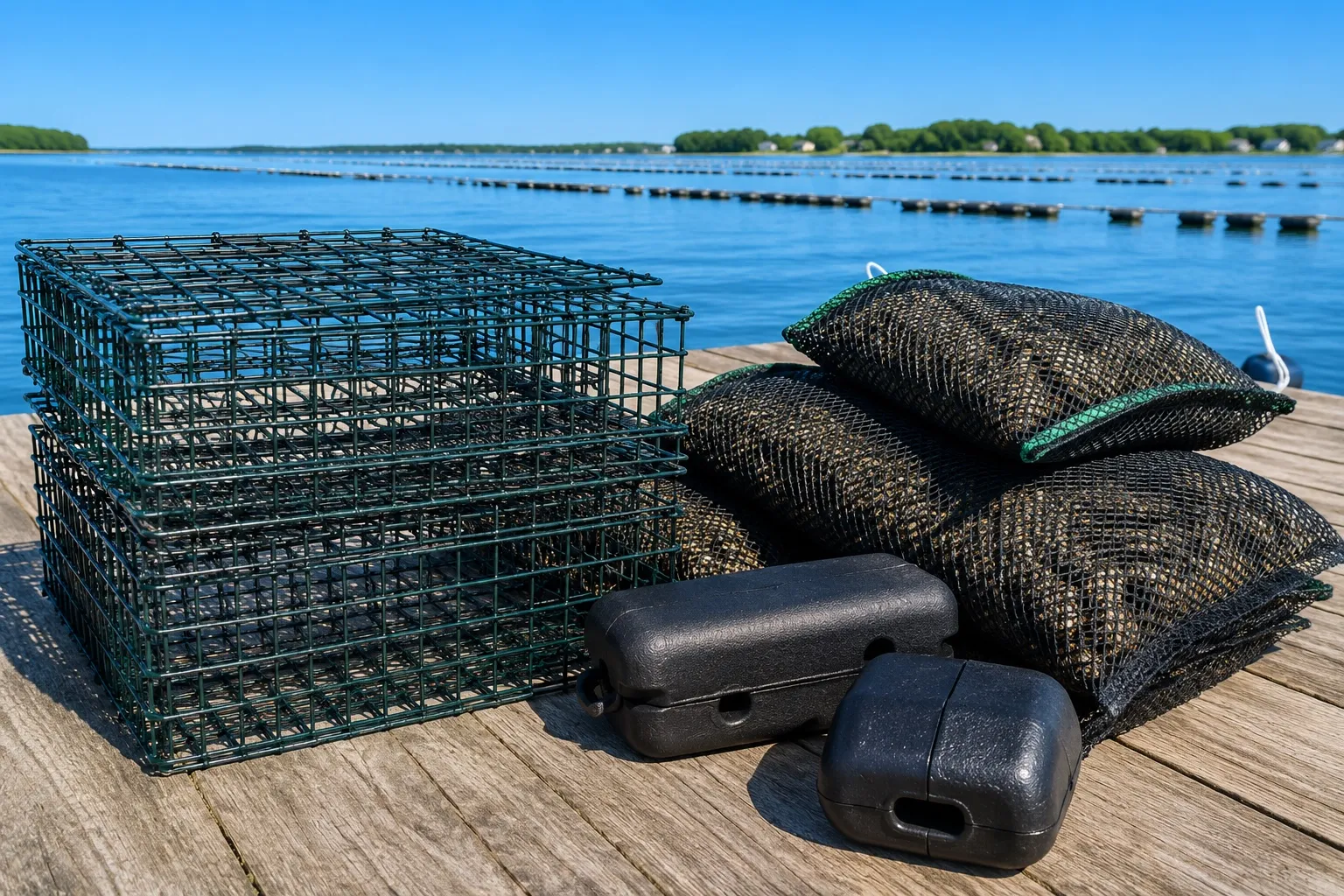
Everwin Sports manufactures aquaculture cages and grow-out gear for shellfish and finfish farming — oyster and mussel grow-out cages and mesh bags, stackable vinyl-coated wire cages, floating fish-pen frames with predator and containment netting, and longline grow-out accessories. Cages are built from vinyl-coated and hot-dip galvanized welded wire mesh, with HDPE mesh bags, braided PE and nylon predator nets, and closed-cell foam floats. The gear resists biofouling and continuous immersion in salt and brackish water, with mesh graded for each grow-out stage.
Available factory-direct from our Weihai, China facility for wholesale, private-label and custom OEM production — alternate materials, sizes and branding, typically from 500 units, for buyers across major export markets.
Request a QuoteFeatures
Specifications
Every aquaculture cages & grow-out gear order is built under our quality & manufacturing process and backed by our standards & compliance documentation. See the full specification catalog or explore our fishing range.
Common questions
What cage sizes, bag formats, and mesh grades are offered?
We supply stackable wire cages, oyster and mussel mesh bags, and floating pen frames in a range of footprints and depths, with mesh openings graded by grow-out stage. You can order a single grade or a matched set spanning seed through market size. Provide your species, stocking density, and site depth and we will size the gear accordingly.
What materials and coatings handle continuous immersion?
Cage frames are welded wire mesh, vinyl-coated or hot-dip galvanized for corrosion resistance, while bags are HDPE and predator nets are braided PE or nylon. Closed-cell foam floats provide flotation that does not waterlog. The coating systems and polymer meshes are selected to resist biofouling and the constant wetting of salt and brackish sites.
How do I match mesh grade to grow-out stage?
Smaller openings retain seed and juveniles, while wider openings improve water exchange and flushing as stock grows, reducing fouling and handling stress. Most farms step animals through two or three grades over a cycle. Tell us your stages and target sizes and we will specify the openings for each tier so stock stays contained and well flushed.
Can grow-out gear be customized or supplied under OEM or private label?
Yes — frame dimensions, mesh openings, coating type, bag size, float configuration, and predator-net depth are all configurable, and we run OEM and private-label programs. Hatchery branding and color-coded mesh by grade can be added. First branded runs include sampling so you can trial the gear on-site before committing to volume.
What is the minimum order quantity?
Standard cages, bags, and pen components ship by the carton or pallet and consolidate toward container volume for wholesale orders. Custom or private-label configurations typically start around 500 units. The exact minimum depends on gear type and mesh grade, which we confirm at quoting.
What is the production lead time?
Standard gear ships in about 30–45 days after deposit. A first custom or branded run takes roughly 45–60 days including sampling, then repeats return to 30–45 days. We coordinate pallet or container consolidation and any phytosanitary or coating documentation alongside production.